
Dangote gains a foothold in Kenya: the Nigerian billionaire sets his sights on East Africa
Aliko Dangote now holds 24.76% of Kenya Pipeline Company (KPC), the operator of the pipelines that supply fuel to Kenya and much of East Africa. The Nigerian billionaire paid about 42.5 billion shillings, or nearly $327 million.
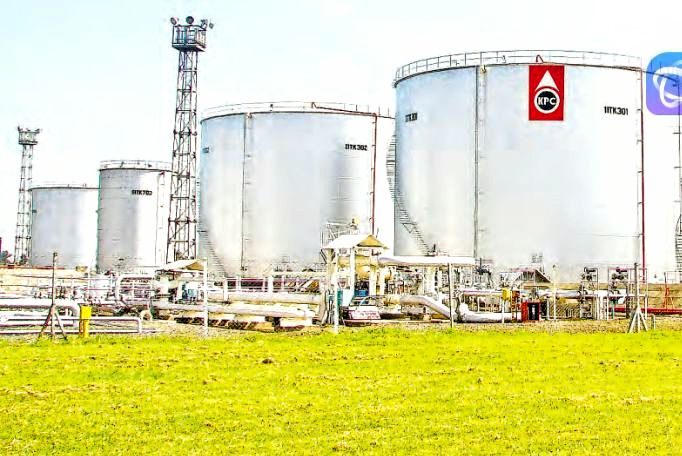
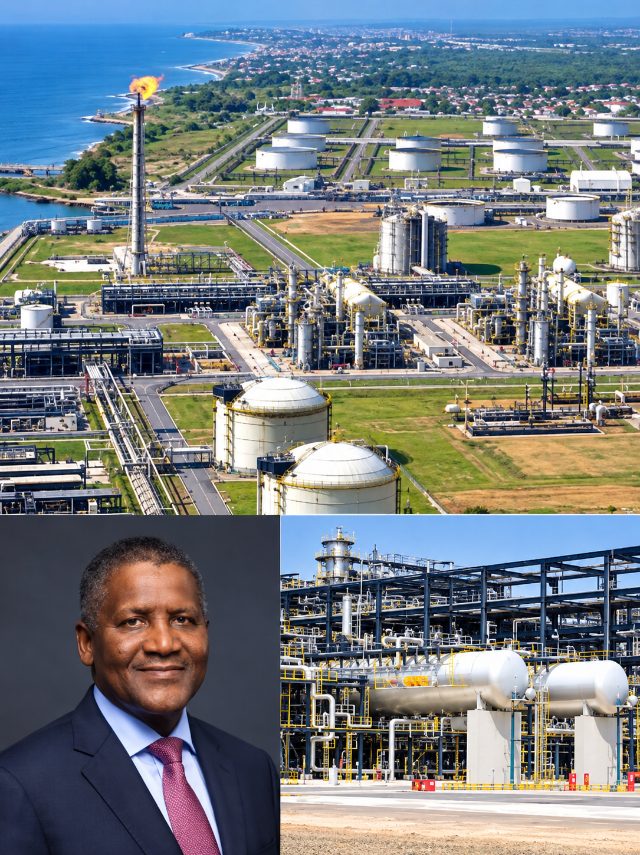
After refining in Lagos, he is taking hold of distribution at the other end of the continent.
The deal: 4.5 billion shares in a single block.
The transaction took place on Monday, October 19 on the Nairobi Securities Exchange, as a single over-the-counter trade involving about 4.5 billion shares. The buyer was then described only as an "unidentified investor."
Aliko Dangote himself lifted the veil on October 21, at the Financial Times Africa Summit in London: "We bought 25% of their pipeline network for the distribution of petroleum products." He did not specify which company in his group holds the shares.
The sellers are Kenyan public bodies that had bought in KPC's initial public offering (IPO) in early 2026: the National Social Security Fund (NSSF), the Unclaimed Financial Assets Authority (UFAA) and public pension funds. According to lawmaker Ndindi Nyoro, the shares were sold at between 9.02 and 9.36 shillings each, barely above the IPO price of 9 shillings.
One detail matters: 24.76% is just under the 25% threshold above which the Capital Markets Authority of Kenya would have had to approve the deal.
Speed against the majors
According to Nairobi's Business Daily, Dangote caught rival investors off guard, "largely oil majors," by very quickly accepting the offer from the selling public bodies while the others dragged their feet. The names of these competitors have not been made public.
The investment is already paying off. KPC is a profitable company: for the year ended in late June 2026, its net profit rose 13.1% to 11.58 billion shillings. The Business Daily estimates the dividends Dangote could receive at about 1.44 billion shillings.
Why KPC: the tap of East Africa.
KPC operates about 1,342 kilometers of pipelines that carry gasoline, diesel and jet fuel from the port of Mombasa to inland areas. In its latest financial year, the company transported 10.61 billion liters of petroleum products.
Its influence extends well beyond Kenya. According to its managing director, the network covers about 96% of Uganda's refined fuel needs, 77% of those of eastern DRC and 71% of those of South Sudan. Whoever controls KPC therefore carries weight over supply across the entire Great Lakes region.
Shareholder
Share of capital
Kenyan state (Treasury and Ministry of Energy)
about 35%
Dangote-linked interests
24.76%
Uganda National Oil Company
about 20.15%
These are the main shareholders after the October 19, 2026 transaction.
The stake makes Dangote one of KPC's largest shareholders, without giving him operational control: his weight on the board will depend on governance agreements, which are still unknown.
The grand plan: $50 billion by 2030
The Kenyan pipeline is only one piece of a continental puzzle. The Dangote group plans to invest about $50 billion between 2026 and 2030 in a fuel distribution network (pipelines, depots, supply routes) covering East, Central and Southern Africa (Billionaires.Africa). "We are being very aggressive on this," he acknowledged in London.
Project
Country
Status
Lagos refinery, 650,000 barrels/day
Nigeria
In operation; IPO open until October 27
Lamu refinery, 700,000 barrels/day, $16–17 billion
Kenya
Groundbreaking on September 30, 2026, commissioning targeted around 2030
24.76% of Kenya Pipeline Company
Kenya
Acquired on October 19, 2026
Djibouti–Addis Ababa road and depots
Ethiopia
Under construction
Distribution project
Cameroon
Close to completion
Gateway to Southern Africa
Namibia
Announced
Distribution corridor
Zimbabwe, Zambia
Announced
The logic is simple: refine on a large scale, then hold the pipes and depots that lead to consumers. "From our refinery to Namibia, it is only about four days' sailing," Dangote points out. The billionaire presents the project as an industrial fight: to stop "exporting our jobs out of the continent and importing poverty."
Transparency, sovereignty, competition: the thorny questions
In Kenya, the deal is not welcomed by all. Lawmaker Ndindi Nyoro is calling for transparency: who exactly are the investors? Did the selling public bodies obtain a fair price? How much did brokerage fees cost? President William Ruto, by contrast, defends a transaction that, in his view, shows investor confidence in the Kenyan market and draws private capital into strategic infrastructure.
The issue is also regional. Uganda holds nearly 20% of KPC and has secured a say in the appointment of its managing director. Kampala must now deal with a heavyweight new shareholder in the infrastructure that supplies most of its fuel.
The question of competition remains. If the Lamu refinery goes ahead, Dangote will be both a fuel producer and the reference shareholder of the network that transports it. Independent distributors and regulators in the region will want to know how access to the pipelines will remain open to all. No specific rules have been announced to date.
What to watch
• The buyer's identity. Which Dangote group company holds the shares, and will it ask for seats on KPC's board?
• The reaction of Kenya's Parliament to Ndindi Nyoro's questions on the price and the sale procedure.
• The IPO of the Lagos refinery, open until October 27.
• The timeline for Lamu, which determines the pipeline's strategic value to Dangote.
• The group's 2030 target, which Dangote promises to unveil in January.
In less than a month, Dangote has laid the foundation stone of a refinery in Lamu and acquired a quarter of East Africa's main pipeline network. The continent is seeing the emergence of a player able to refine, transport and sell its own fuel from one ocean to the other. It remains to be seen whether this power will bring down pump prices, or whether it will replace one dependence with another.
The free Gisement newsletter
Every morning, Africa’s mining, oil and energy headlines in your inbox.

Comments
To comment, please use the French edition of this article.