
African refining: from dependence to mastery
Africa produces more than 5 million barrels of crude a day, yet it still imports more than half of the fuel it consumes. The Gulf crisis has underlined the price of that dependence. At the same time, the Dangote refinery is closing the largest IPO on the continent. Gisement runs the numbers.
A costly dependence
In 2023, before Dangote ramped up, imports covered about 55% of African demand for petroleum products. Estimates for 2026 are still around 60%. The import market amounts to some 120 million tonnes a year, worth about $90 billion.
The paradox is well known. The continent exports low-value-added crude, then buys back finished fuels at higher prices. It has more than forty refineries, but many are obsolete, underused or idle.
The bill is heavy, even for producers. Angola imported about 1.8 million tonnes of refined products in the first half of 2026, for nearly $2 billion. Senegal imported an average of 3.45 million tonnes a year between 2021 and 2025, on top of the output of its Mbao refinery.
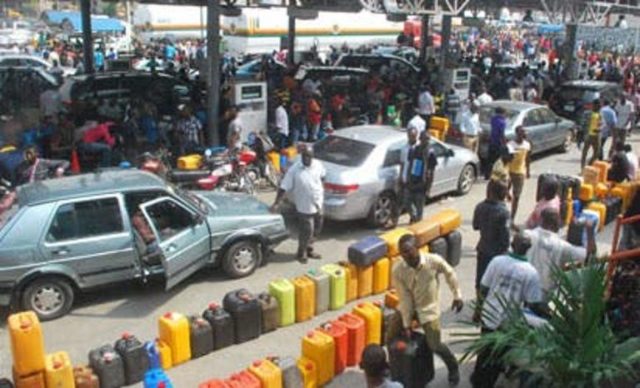
This dependence has a hidden cost. Transport and insurance add to the price of every cargo. Dollar purchases weigh on foreign currency reserves. In several countries, the state sets pump prices together with distributors: when import costs climb, subsidies swell or shortages appear. Price gaps between neighboring countries then fuel smuggling.
The Gulf shock, a windfall for foreign refiners
On February 28, 2026, US-Israeli strikes on Iran, followed by Iranian retaliation against Gulf installations, disrupted flows through the Strait of Hormuz. East Africa was hit first. It buys most of its fuel from the United Arab Emirates, Qatar, Saudi Arabia and Bahrain. Shortages and price increases followed, notably in Tanzania.
India's Reliance filled the void. Its deliveries intended for the Middle East were redirected to Africa. Its share of the gasoline market in East and Southern Africa rose from about 30% to nearly 50%.
Margins exploded. The gasoline crack, the gap between the price of the fuel and that of crude, came close to $25 a barrel in the third quarter of 2026. It was $8.4 a year earlier. Diesel and jet fuel cracks rose 3.5-fold and 3.7-fold. Reliance expects the market to stay tight in the short term.
West Africa withstood the shock better, thanks to local supply. In March 2026, Nigerian exports of refined products doubled, to about 214,000 barrels per day. Volumes to the rest of Africa rose from 38,000 to 90,000 barrels per day. Cargoes of Dangote gasoline were delivered to Côte d'Ivoire, Cameroon, Ghana, Togo and Tanzania.
Dangote, the giant changing scale
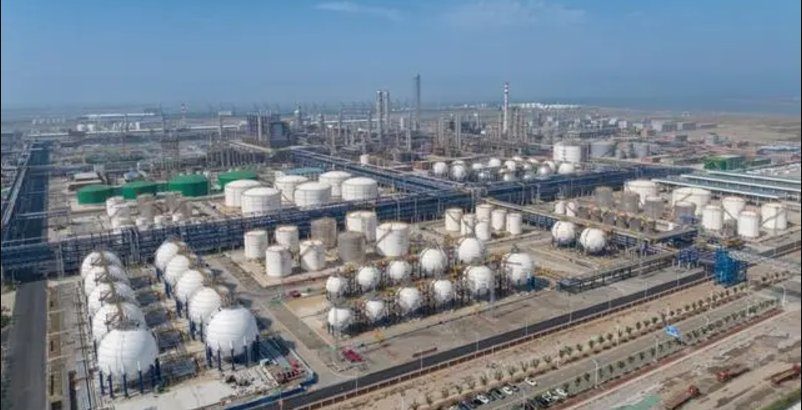
Commercial operations at the Dangote refinery in Lekki, near Lagos, began in 2024. Capacity has risen from 650,000 to 700,000 barrels per day after maintenance completed in February 2026. The refinery can cover Nigeria's needs and generate an exportable surplus. Driven by this supply, Nigerian exports of petroleum products to Europe reached 130,000 barrels per day in the second quarter of 2026, versus 40,000 in 2025.
The accounts have swung into the black: net profit of $1.82 billion in the first half of 2026, after a loss-making year. In July, the company raised $2.5 billion from private investors.
Then came the IPO, the largest ever launched in Africa. The target was $1.6 billion. The offering was extended by two weeks to broaden African participation, before closing at the end of October 2026. According to its executives, investors from 120 countries subscribed, including all 54 African countries. More than two million subscribers reportedly came through digital channels, and demand is said to have reached about three times the target. The final amount raised has not been published; the allocation of shares awaits the green light from regulators.
The money is to fund a doubling of capacity, to 1.4 million barrels per day, by 2028-2029. The site would then surpass Jamnagar, in India, as the world's largest refinery. The project also includes an upgrade to Euro VI standards. Aliko Dangote is already looking further ahead, with a project in Lamu, Kenya. He says most African countries will be self-sufficient in fuel by 2030.
The rest of the continent is accelerating, at uneven speeds
Dangote outweighs all other African projects combined. Elsewhere, the ambitions are real but construction is advancing slowly.
• Angola: the country wants to raise its capacity from 65,000 to 425,000 barrels per day, across four sites. At Cabinda, a first phase is already producing; a second, which would double capacity and add gasoline, is in its final phase. The Lobito refinery, at 200,000 barrels per day, was only about 28% complete in early 2026.
• Ghana: the commissioning of the Sentuo Oil refinery in 2024 eased an import bill of several billion dollars.
• Senegal: a second refinery is planned to process crude from the offshore Sangomar field.
• Kenya: Dangote's Lamu project aims to anchor regional supply in East Africa.
African producers are also working on a common framework for refining, focused on units sized for national and regional markets. But many existing refineries first need to be rehabilitated before they can produce at full capacity.
The conditions for profitability
Refining in Africa is not profitable by default. Three conditions determine whether a project succeeds.
Margins that withstand a return to normal. A business plan built on a $25-a-barrel gasoline crack would be fragile. Profitability must hold when margins fall back to their usual level. Conversely, high margins make local investment more attractive, but cycles are fast: the gasoline crack was $8.4 a year earlier.
Competition on specifications. Reliance delivers premium gasolines to Kenya and Tanzania, and low-sulfur jet fuel to South Africa. A local refinery must produce the grades demanded by the markets it targets, otherwise it will not displace imports. Dangote's announced move to Euro VI standards meets this requirement.
Governance. Regulated prices, shortages and smuggling are matters of downstream-sector governance. A high-performing refinery is not enough if pricing and distribution mechanisms create incentives for diversion. This risk remains difficult to quantify today.
Outlook: from dependence to mastery of the value chain
The year 2026 sketches out a paradox. On one side, the supply crisis in West Asia benefits non-African refiners, who are widening their sales on the continent. On the other, Africa's most ambitious industrial project, with 700,000 barrels per day of capacity and a target of 1.4 million, has just raised capital from investors in 120 countries, according to its executives. The continent has therefore not stopped importing, but it is beginning to have a large-scale local supply.
Several variables will decide what comes next:
• Dangote's ability to maintain stable operations and finance its doubling;
• the evolution of margins once the disruptions have passed;
• neighboring countries' ability to absorb the volumes produced, thanks to transport and storage infrastructure;
• a decline in smuggling.
Gisement's approach is to measure promises against the figures. Refining locally can reduce exposure to external shocks and retain added value. But profitability is not assured unless the project withstands a return of margins to normal and operates within a reliable distribution system. Only on that condition will Africa eventually be able to import less refined fuel and sell more of it.
The free Gisement newsletter
Every morning, Africa’s mining, oil and energy headlines in your inbox.
Comments
To comment, please use the French edition of this article.